Auction Garages in Mini Race
September update bidding discipline: when to chase a garage, when to walk away, and how auctions fit the economy.
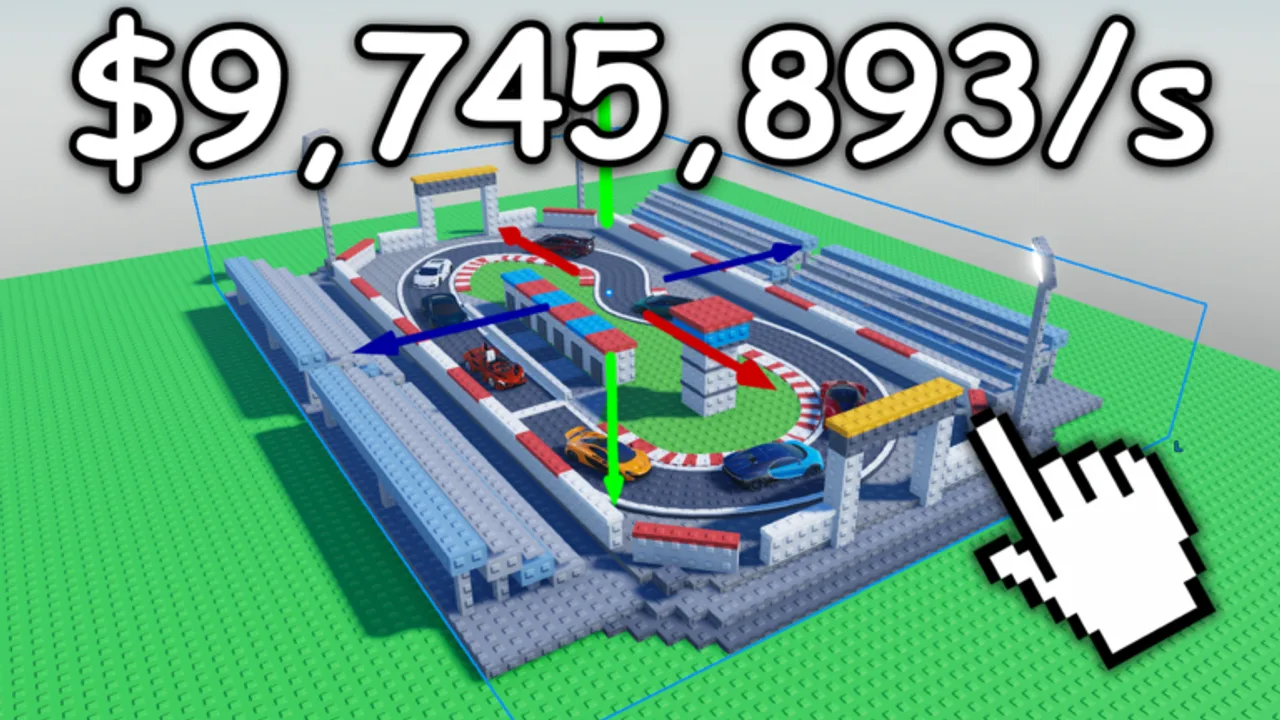
Auction Garages are one of the headline systems in Mini Race [AUCTIONS], especially after the September 2026 update that expanded the garage-and-buildings fantasy alongside a much larger shop catalog. This guide explains how to think about auction garages, how to bid without wrecking your progression, and when a purchase is actually worth the cash you could have spent on crates, circuits, or standard buildings.
If you have not finished the first-hour loop yet, park this page and complete Getting Started first. Auctions punish empty reserves.
What auction garages are for
In Mini Race, a normal garage is progressive infrastructure: storage, lineup management, and a home base for your collection. An auction garage is a contested acquisition. You are competing with other players’ wallets for a property outcome that may be scarce, timed, or simply more desirable than the next standard shop listing.
That means the garage is both a gameplay unlock and a market decision. Treat every bid like a purchase order with an opportunity cost line attached. The question is never only “Do I want this garage?” The real question is “What am I not buying if I win — and what am I stuck without if I lose after overcommitting?”
How the post-September loop changes decisions
The September update layered Auction Garages with a broad building shop (60+ buildings). That matters because your account now has more legitimate sinks for cash: race upgrades, circuit pushes, crate tiers, cosmetic or utility buildings, and auction lots. More sinks make FOMO louder. Smart players respond by ranking sinks, not by chasing every shiny listing.
A healthy priority order for most accounts:
- Keep a race-capable lineup funded — see How to Win Races.
- Keep circuit income alive — see Circuit Cash.
- Fund planned crate opens — see Crate Strategy.
- Buy standard buildings that clearly improve capacity or income — see Buildings.
- Only then bid on auction garages with labeled surplus cash.
If step five jumps above steps one through four, you are gambling with rent money.
Bidding tips that keep you solvent
Set a max bid before you enter. Decide the highest price at which the garage still beats your next best upgrade. Write that number down mentally. When the auction climbs past it, leave. Winning at a catastrophic price is still a loss for progression.
Bid with surplus, not with hope. Surplus means cash left after reserves for duplicate-sale lag, a race rematch buffer, and the next non-auction purchase you already planned. If the only way you can afford the lot is by skipping crates and circuits for days, the garage owns you.
Respect contested heat. If multiple serious wallets are bumping the price quickly, assume the final hammer will overshoot value for mid-game players. Early or less contested windows are often better teaching tools than peak hype lots.
Know what the garage changes. Better presentation is nice. Meaningful capacity, better management flow, or a genuine account milestone is better. If you cannot name the mechanical benefit in one sentence, you are buying vibes.
Avoid revenge bidding. Losing an auction stings. Raising your max because someone else wants the lot is how tycoon games print cautionary tales. Walk away, sell duplicates, capture a circuit, and return later with a calmer plan.
When an auction garage is worth buying
Buy (or keep bidding up to your cap) when several of these are true:
- Your starter or standard garage already works and is not the blocker
- Circuit cash is ticking so recovery after a win is realistic
- Your race lineup is stable enough that you are not desperate for emergency crate spam
- The auction garage replaces a real limitation (space, progression gate, or clear upgrade path)
- The final expected price still leaves reserves for the next crate tier you care about
- You would still be happy owning it tomorrow if a better listing appears next week
Skip or quit when:
- You are still in first-week onboarding
- You need that cash to defend or expand circuits
- Your lineup is losing and you have no upgrade plan besides “maybe the garage makes me feel rich”
- You are bidding to deny someone else rather than to improve your account
- The price crosses the value of multiple planned buildings from the expanded shop
Opportunity cost examples
Imagine three uses for the same cash pile: one contested auction garage, two solid income buildings, or a controlled sequence of crate opens plus duplicate recycling. Mid-game players often get more total power from buildings plus crates because those purchases create repeatable returns. Auction garages shine when they are efficient milestones or when you truly have more money than productive sinks.
Late-game players with strong circuit income and a solved race sheet can treat auctions as a prestige and completion layer. That is healthy. Using auctions to skip learning the economy is not.
Pairing auctions with collection goals
Some players chase auction outcomes because they want auction-exclusive vibes in the same way they chase rare crate roles. That is valid if labeled as a collection goal. Just separate collection goals from competitive goals. A gorgeous auction garage does not automatically fix a weak anchor car. Keep reading the Cars Tier List and Car Collection pages so property flex does not outrun race reality.
Likewise, check the Crates Tier List before you tell yourself you will “recover the bid” with desperate opens. Recovery opens while tilted are how gem stacks vanish.
Practical auction session plan
- Redeem codes on the Codes Hub and sell obvious duplicates.
- Confirm circuit status and lineup health.
- Label a surplus budget and a hard max bid.
- Enter only auctions that clear your benefit test.
- If you win, stop spending for the session unless a tiny reserve purchase was pre-planned.
- If you lose, do not immediately enter the next heated lot. Farm, race smart, and rebuild surplus.
Where this guide sits in the wiki
Return to the Guides Hub for the full strategy map. Use Updates after future auction tuning patches. Browse Cars & Buildings when you need to compare auction property goals against the normal 60+ building shop path.
Auction Garages are one of Mini Race’s best personality features. They stay fun when your bid is a choice — not a financial hostage situation.
Frequently Asked Questions
Quick answers to the most common questions.
When were Auction Garages emphasized in Mini Race?
The September 2026 update spotlighted Auction Garages alongside a large expansion of shop buildings. Always verify live details in-game and on the Updates Hub after newer patches.
Should beginners bid on auction garages?
Usually no. Finish a starter garage, first races, and first circuit income first. Auctions are safer once you have labeled surplus cash.
What is the most important bidding rule?
Set a maximum bid before you enter and leave when the price crosses it. Never raise your cap just to beat another player.
Are auction garages better than normal buildings?
Not automatically. Many accounts gain more from income or capacity buildings and planned crates. Choose auctions when the garage clearly beats those alternatives at your max price.