Crate Strategy for Mini Race
Open with a budget, read tier value clearly, and sell duplicates before the garage becomes a junk drawer.
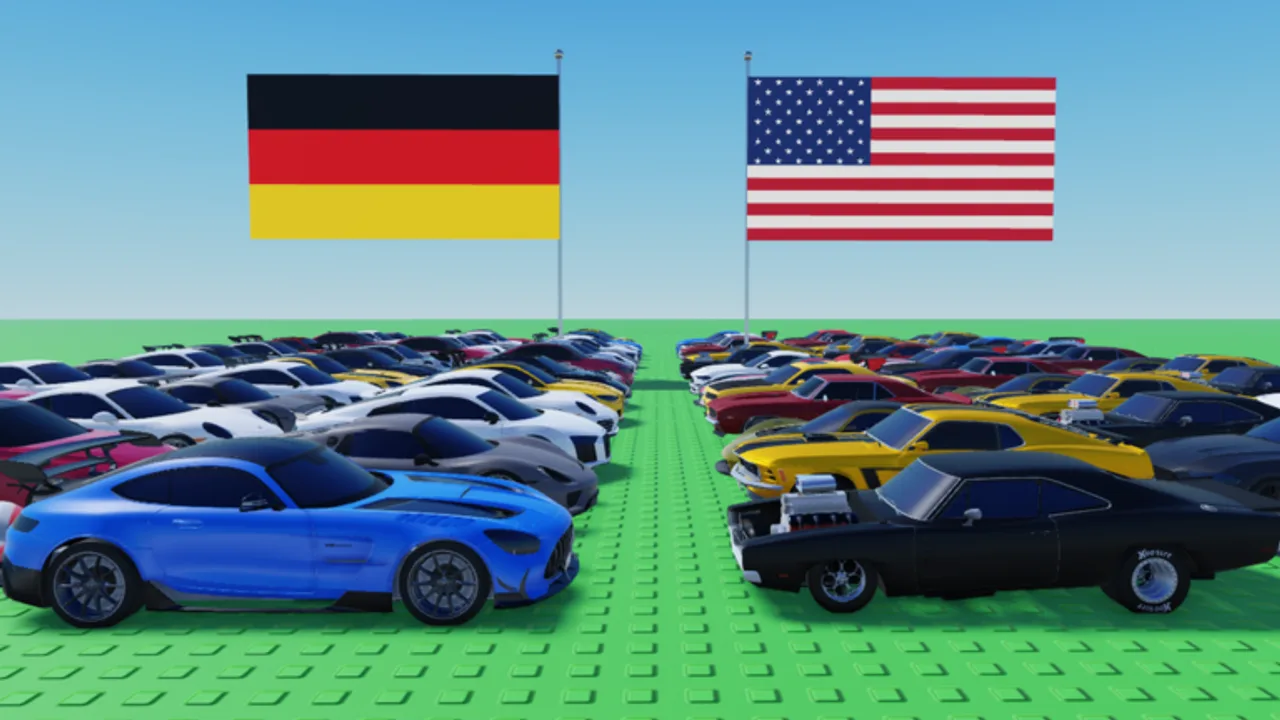
Crates are the main collection faucet in Mini Race [AUCTIONS]. They create the cars that fill garages, stock race lineups, and eventually justify flashy goals like auction properties. They can also bankrupt a promising account if you open on tilt. This guide covers crate tier thinking, practical odds discipline, and duplicate selling so every pull has a job.
Pair this page with the Crates Tier List for value rankings and the Cars Tier List for what those pulls should become in a lineup.
The job of a crate
A crate is not a slot machine night out. In Mini Race it is a procurement tool. You spend cash or gems to acquire cars that should either:
- Upgrade the race pool
- Fill collection goals on purpose
- Convert into cash through duplicate sales
- Occasionally unlock a new role archetype worth building around
If an open does none of those, the process still taught you something — as long as you sold what you did not need and stopped before revenge opening.
Crate tiers and value ladders
Exact names and prices can shift with updates, so think in ladders instead of memorizing one patch forever:
- Starter / low tiers — teach the open flow, feed early commons, and are fine in hour one from Getting Started.
- Mid tiers — the workhorse spend for most accounts hunting rare racers and better anchors.
- Premium tiers — higher ceiling, higher regret if opened with rent money.
- Event or special crates — valuable when they target a role you actually need; weak when you only buy them because the banner is loud.
Before any premium open, ask whether the same budget would better buy a building, defend a circuit, or save toward an auction cap. The September shop expansion means crates compete with 60+ buildings for attention — see Buildings.
Odds improvements are habits, not superstitions
Players love rituals. Useful “odds improvements” in practice are almost always process improvements:
- Open when you have a written goal (“replace weak stabilizer,” not “get something cool”)
- Open when duplicate sale prices and garage space are ready
- Open after circuit income or race wins refill the budget, not after a losing streak
- Avoid opening your entire wallet in one click sequence
- Track which tiers recently fed your race pool so you can spot dead spends
There is no trustworthy public promise that standing in a lucky corner of the map changes rarity. What you control is bankroll, timing, and post-open decisions.
If the game offers pity-style progress, badges, or visible luck meters in a future patch, read Updates and adjust. Until a mechanic is visible and verified, do not invent one.
Duplicate selling is core gameplay
Mini Race explicitly supports selling duplicates. That is your recycling plant. Commons and repeat fillers exist partly to refund the next decision. Holding every copy “for trade value someday” creates a garage museum that cannot fund itself.
A clean sell routine:
- After each crate, tag race candidates versus junk.
- Keep the best copy of a useful role; sell extras you will not field.
- Keep intentional collection holds only if you still have cash flow from Circuit Cash.
- Move sale cash into a named goal within the same session when possible.
The Car Collection guide goes deeper on labeling keepers. Use it when your inventory starts feeling noisy.
Open plans by account stage
Early game: one or two low-to-mid opens after redeeming codes like RELEASE from the Codes Hub. Prioritize learning roles and funding a starter garage over chasing premium banners.
Mid game: schedule crate nights after circuit payouts. Keep a reserve for race rematches and building upgrades. Mid tiers that can produce rare racers usually beat random prestige spending.
Late game: premium and special crates become completion tools. Auction exclusives and trophy cars may matter more to you now, but only with surplus after Auction Garages caps and map defense are handled.
When not to open crates
Skip opens when:
- You cannot explain what slot or goal the pull is for
- Your cash reserve is below the next critical building or circuit plan
- You just lost several races and want emotional damage repair — read How to Win Races instead
- Garage space or sorting discipline is already failing
- An auction you care about needs the same wallet tonight
Walking away is a strategy. Emptying gems to feel better is a donation.
Converting pulls into power
Every session that includes crates should end with a conversion step:
- Put upgraded cars into the lineup and test them
- Sell junk immediately
- Note whether the crate tier earned its keep
- Spend leftover soft cash on income infrastructure if the race pool did not improve
This is how crates serve the tycoon instead of replacing it. Browse the Guides Hub if you need to reconnect opens to races, circuits, or auctions.
Common crate myths
- “One more open will fix the lineup.” Sometimes. Often it fixes nothing and delays a building that would have helped more.
- “Duplicates are failures.” Duplicates are fuel.
- “Premium crates are always smarter.” Only if your account can absorb misses.
- “Collection means never selling.” Collection means choosing what to keep.
A simple crate checklist
- Redeem codes and collect circuit cash.
- State the pull goal in one sentence.
- Choose a tier that matches the goal and bankroll.
- Open a planned count, not an emotional count.
- Sort, sell, and re-sheet the race lineup.
- Stop, even if the banner is still glowing.
Master that checklist and crates stop being a chaos button. They become another controlled department in your Mini Race garage business, working beside map income and race validation instead of against them.
For rankings of relative crate value, continue to the Crates Tier List. For role outcomes, use Cars and the broader Tier List Hub.
Frequently Asked Questions
Quick answers to the most common questions.
Should I open crates as soon as I can afford them?
No. Open when you have a goal, a reserve for other systems, and a plan to sell duplicates. Affordability alone is not a strategy.
What should I do with duplicate cars?
Sell clear extras to refund future crates, buildings, or circuit plans. Keep intentional best copies for racing or collection goals only.
Are premium crates worth it for beginners?
Usually not. Early accounts get more from starter or mid-tier opens plus garage and circuit setup. Save premium spends for surplus budgets.
How do crates connect to racing and auctions?
Crates feed the race pool and collection. Auctions and buildings compete for the same wallet. Upgrade the lineup first; bid and decorate with surplus.