Mini Race Race Lineup Planner
Assign starter, mid, and anchor cars so every race pushes circuit captures and offline cash.
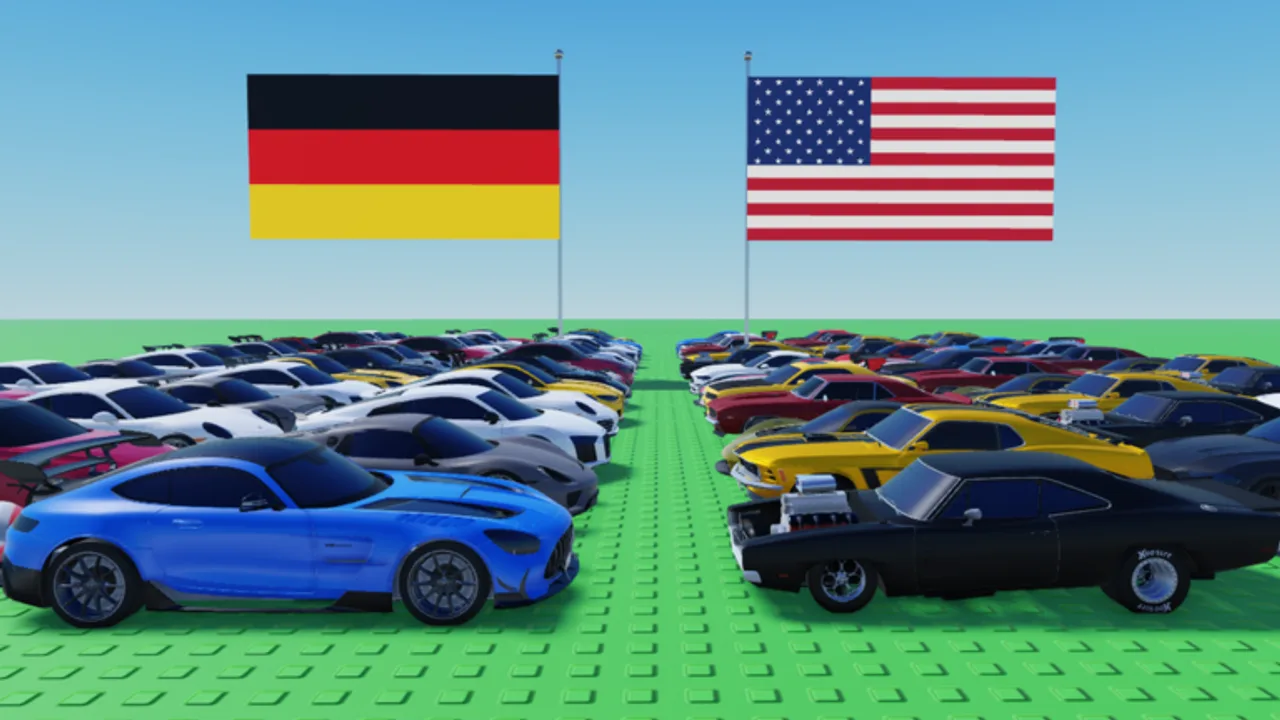
A Mini Race lineup is more than “put my three favorite cars on the track.” Each slot does different work: the starter opens cleanly and survives early chaos, the mid car bridges pace and consistency through the body of the race, and the anchor closes gaps, protects a lead, or steals a contested circuit when it matters. This planner turns that idea into a repeatable checklist you can run before every session.
Use it after you claim codes, skim the tier list, and glance at your garage inventory under Cars. Pair spending decisions with the Cash Goals checklist so you fund the role you are actually missing instead of opening crates at random.
Core loop this planner supports
Mini Race by LoganTaylor Studios mixes collection, garage building, racing, and territory. You pull cars from crates, expand garages (including Auction Garages content and a large building catalog), race lineups, capture circuits for offline cash, and sell true duplicates. Your lineup is the lever that turns collection into capture income. Weak roles mean weak circuits; weak circuits mean slower crate budgets tomorrow.
Before you change a single car, write down one session goal in plain language: “capture Circuit X,” “test a new mid car,” or “validate whether this rare pull deserves the anchor slot.” Goals keep the planner honest.
Role definitions
Starter car
The starter should be reliable first. Prefer a car you understand: stable handling for your usual tracks, fewer surprise DNFs, and enough pace that you are not already buried when the mid car takes over the story of the race. New players often force their flashiest pull into the starter slot. Resist that urge. Flash belongs later unless the rare car is also the most consistent car you own.
Starter checklist questions:
- Can this car finish an average race without drama?
- Do I know its braking points on the circuits I actually contest?
- If I only improve one early-race habit this week, does this car reward that habit?
Mid car
The mid role is the bridge. It should complement the starter: if the starter is durable but soft on pace, mid can be the sharper attacker. If the starter is already fast but fragile in traffic, mid can be the calmer stabilizer that protects position while you set up the anchor.
Mid checklist questions:
- Does this car cover a weakness the starter cannot?
- Am I picking it because of rarity, or because lap times and race craft improve?
- Would selling a duplicate of this chassis hurt my ability to A/B test setups later?
Anchor car
The anchor is your closer. Use it to convert a good race into a captured circuit, or to steal when a rival leaves a gap. Anchors can be your highest-ceiling car, but ceiling without control loses more circuits than it gains. After the September 2026 Auction Garages update wave, many players over-invest in buildings while under-investing in a true closer—do not make that trade if your captures are stalling.
Anchor checklist questions:
- Can this car create or protect a lead in the final phase?
- Does it match the circuits I am farming for offline cash?
- If I lose with this anchor, is the issue the car or my mid-race positioning?
How to draft a lineup in five passes
Pass 1 — Inventory. List every race-ready car. Ignore cosmetics. Mark duplicates you could sell. Cross-check names on Cars.
Pass 2 — Rank by role fit, not overall hype. Sort candidates into starter / mid / anchor piles using the questions above. A single car can qualify for two piles; that is fine.
Pass 3 — Compare to the tier list. Open the tier list and confirm you are not ignoring a clearly stronger option you already own. Tier lists shift after patches—revisit Updates if rankings feel stale.
Pass 4 — Simulate the session goal. If the goal is offline income, bias toward consistency across all three slots. If the goal is learning a new car, park the experiment in mid first so a failure does not erase starter stability and anchor conversion in the same race.
Pass 5 — Lock and race. Enter the race with the three chosen cars. Afterward, write one sentence: what failed, which role failed, and whether the fix is practice, a different car, or a purchase tracked on Cash Goals.
Full pre-race checklist (copy this)
- Redeem any new codes so currency is banked before decisions.
- Confirm garage space and buildings are not blocking the cars you plan to field.
- Name today’s circuit or income target in one sentence.
- Pick starter for reliability on that target.
- Pick mid to cover the starter’s main weakness.
- Pick anchor for close-out pace or contested capture strength.
- Verify none of the three are better sold as duplicates than raced.
- Glance at tier list for obvious upgrades you already own.
- Race at least two events before swapping more than one role at once.
- Log the result and adjust only the weakest role next session.
Common lineup mistakes
Three similar cars. A garage full of near-identical mid-pack cars feels safe and races poorly when the circuit demands a closer. Diversify roles even if raw “power” looks even.
Anchor envy. Putting your rarest car in every slot mentally—and therefore forcing it to start—wastes the car’s closing power and exposes it to early chaos.
Ignoring offline cash. Lineups that win highlight races but never hold circuits leave you poor. Capture value is part of the planner’s scorecard.
Changing all three cars after one loss. Change one role, retest, then revisit Cash Goals only if the missing piece is truly not in your inventory.
Skipping beginner fundamentals. If controls, crate UI, or garage navigation still feel fuzzy, pause and finish Getting Started before optimizing roles.
When to rebuild after updates
Major patches—crate rotations, building catalogs, auction rules—can invalidate last week’s perfect lineup. After reading Updates, re-run Passes 1–5. Auction Garages content in particular can change how much time you spend in the garage versus on track; do not let building FOMO freeze a weak race order in place.
If LoganTaylor Studios ships new cars that clearly outclass your anchor, promote carefully: trial in mid, then anchor, while keeping a trusted starter untouched until the new car proves consistent.
Linking planner output to the rest of the wiki
- Need currency for the car that fills a hole? Use Cash Goals.
- Need official destinations or group news? See Links.
- Need broader wiki navigation? Return to the Tools Hub.
Run this planner every time your garage changes in a meaningful way. A disciplined starter–mid–anchor sheet beats a random three-car queue, and captured circuits will show the difference in offline cash the next time you log in.
Frequently Asked Questions
Quick answers to the most common questions.
What is a starter / mid / anchor lineup in Mini Race?
Starter prioritizes reliable early-race performance, mid covers pace or consistency gaps, and anchor closes or steals for circuit captures. Assign cars to roles on purpose instead of racing your three favorites.
Should my rarest car always be the anchor?
Only if it can actually close races and help capture circuits. If the rare car is inconsistent, keep it in mid for testing or leave it benched until you learn it.
How do duplicates affect lineup planning?
What should I do after a bad race?
Change only the weakest role, retest, and fund gaps with the Cash Goals checklist instead of rebuilding the entire lineup at once.